
Operational Technology environments require a departure from the 'detect and respond' model toward a framework that removes the possibility of network exposure. The digital world is currently grappling with a landscape where traditional security measures, once considered the gold standard, are

Nokia identifies a critical shift toward intensity-modulation direct-detection optics to meet the demanding link budgets of high-performance AI workloads. As modern data centers evolve into massive processing engines, the traditional reliance on copper and standard networking protocols is being

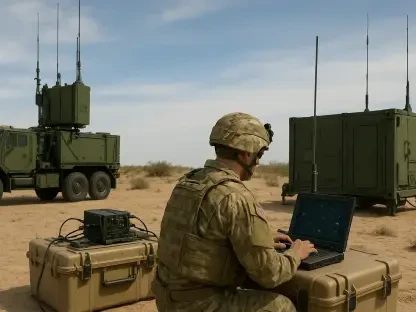
Tactical edge operators must frequently encrypt sensitive data before it reaches local storage to preserve confidentiality during harsh conditions where communications often falter. The Combined Joint All-Domain Command and Control (CJADC2) framework has evolved into the central nervous system for

The 6G architecture transition focuses on structural and cognitive transformations rather than just increasing the numerical throughput of data or the speed of wireless connectivity. While previous iterations of mobile technology largely viewed artificial intelligence as an add-on or a

The Agent Memory service provides persistent recall for autonomous entities, allowing them to remember past interactions and user preferences across multiple sessions. This development represents a cornerstone of Cloudflare’s recent "Agents Week," a period that saw the introduction of over 25

A unified SASE framework allows organizations to retire overlapping security products while simultaneously establishing the guardrails required for autonomous AI agents. As organizations navigate the current landscape in 2026, the financial pressure to fund artificial intelligence has reached a