
The traditional architecture of global computing is currently fracturing under the immense weight of the most resource-intensive technological expansion in human history. While the previous decade was defined by the transition to general-purpose cloud environments, the current landscape of 2026 is

The telecommunications industry is rapidly pivoting away from traditional, rigid, script-based automation toward the dynamic capabilities of Agentic AI, which functions as a reasoning entity rather than a fixed set of instructions. This shift is essential as modern optical fiber systems evolve into
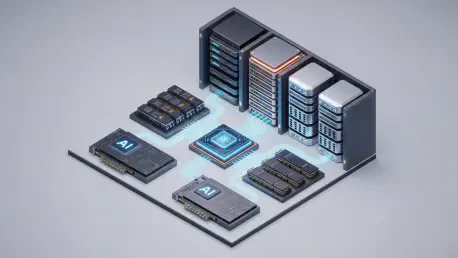
The transition from massive, specialized cooling rooms to standardized server racks marks a pivotal moment for enterprise computing where the legendary reliability of "big iron" finally meets the spatial requirements of modern facilities. For decades, the mainframe was a monolith, a physical and

The tectonic shifts currently reshaping the global networking market demonstrate that high-performance connectivity has moved from a supporting role to the absolute center of the artificial intelligence revolution. While servers and processors often grab the headlines, the underlying fabric that

The fundamental transition from rigid copper and hardware-dependent circuits to a fluid, software-governed digital fabric has effectively redefined how modern enterprises manage and move their most valuable asset. This evolution is most apparent in the emergence of AI-ready networking
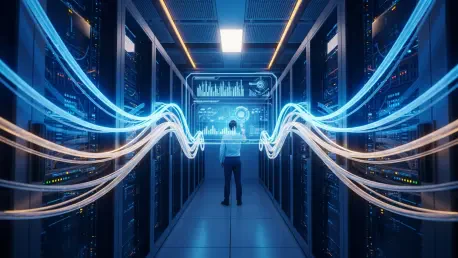
The rapid integration of large language models and predictive analytics into the core of corporate operations has transformed network architecture from a background utility into the primary engine of modern enterprise growth. Organizations are no longer just experimenting with isolated pilots; they