
Strategic reallocation of existing IT budgets suggests that AI infrastructure is becoming the primary driver of hardware refreshment cycles across the globe. As organizations realize that the "one-size-fits-all" public cloud approach has limitations, a strategic shift is occurring. Cisco Systems
The rapid decentralization of digital infrastructure has forced a fundamental shift in how enterprises manage computing power across hundreds of remote locations. Scale Computing has officially addressed this transition by releasing the SC//HyperCore version 9.7, an update that introduces

The silent hum of global data centers has transformed into a thunderous roar as autonomous software agents now generate digital traffic at a pace that dwarfs human interaction by nearly five times. This shift represents a departure from the internet of the early 2020s, where network consumption was
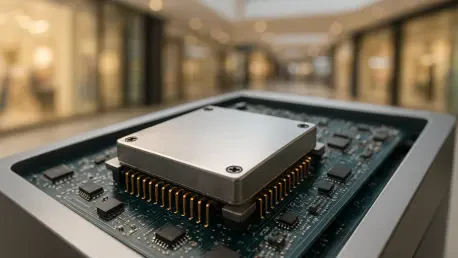
Smart kiosks and energy management systems must now interact seamlessly with surrounding infrastructure without requiring specialized, proprietary software layers. This shift toward standardization has led to the introduction of Quectel Wireless Solutions' latest suite of smart modules, including

In industrial environments where latency represents a safety risk, the ability to maintain local operations during network outages is a critical requirement of a resilient system architecture. As the technology landscape continues to shift from static, self-contained hardware units toward complex,

The speed of digital commerce is no longer measured in minutes or seconds, but in the imperceptible spans of time that occur between a heartbeat and a mouse click. In today's hyper-connected economy, the friction of distance has become the primary adversary for global brands seeking to maintain