
When a self-driving car encounters an unexpected obstacle at sixty miles per hour, the difference between a safe stop and a catastrophic collision is measured in the few milliseconds required to process sensor data and engage the braking system. In these high-stakes scenarios, the traditional model

Redefining the Hybrid Security Perimeter with the FortiGate 1200G Enterprise technology leaders are currently grappling with a fragmented digital landscape where the distinction between secure local networks and cloud-delivered protection has practically vanished into a complex hybrid reality.

Matilda Bailey is a distinguished networking specialist whose career has been defined by a deep-seated curiosity for the next generation of cellular and wireless solutions. With a keen eye on how emerging hardware shapes global infrastructure, she has become a go-to authority for understanding how

The transition from centralized corporate campuses to a completely fragmented digital environment has fundamentally rewritten the rules of enterprise cybersecurity for every modern organization. For decades, the logic of defense relied on the physical walls of the office, where firewalls and

Matilda Bailey stands at the forefront of networking and next-gen security solutions, bringing years of expertise in how modern wireless and cellular technologies intersect with robust defense frameworks. As organizations grapple with the complexities of the AI era, her insights into identity and
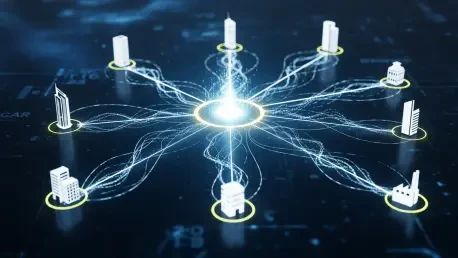
Modern organizations operating across multiple geographic locations face a daunting reality where the perimeter of their corporate network effectively no longer exists in a traditional sense. As enterprises expand their digital footprints from 2026 into a more interconnected era, the reliance on