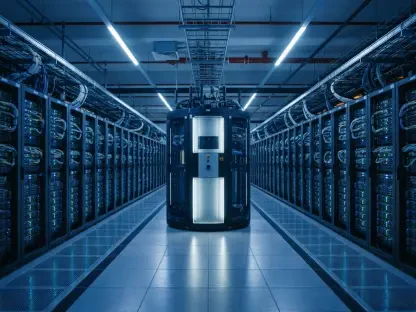
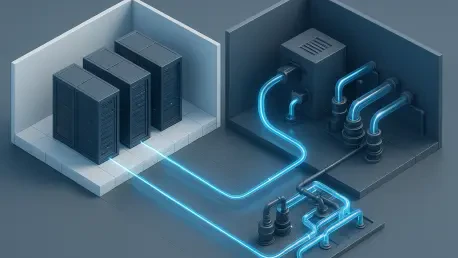
Modern AI chips generate such extreme levels of heat that cooling towers and liquid systems require fast-converging network protocols to prevent dangerous thermal runaway conditions. This operational reality has forced a significant departure from the legacy models of data center management where

Pink's operation demonstrates how a combination of psychological manipulation and technical spoofing can compromise even the most secure cloud infrastructures. While traditional hackers often focus on exploiting software vulnerabilities, this threat actor prioritizes the human element. They

Managing the risks of autonomous AI requires assigning a human business owner to every agent and implementing rigorous revocation protocols similar to human hires. The digital landscape has fundamentally shifted, moving from human-paced threats to machine-speed intrusions that render traditional

The shift toward agent-based identity allows for the precise configuration of tools and permissions based on specific workspace requirements. This movement represents a fundamental change in how large-scale organizations manage their automated workforces, moving away from a one-size-fits-all API

The long-standing perception of the mainframe as a stagnant relic of the twentieth century has been definitively shattered by the sophisticated integration of machine learning and large language models. This transformation marks a departure from the days when mainframes were viewed as isolated

Quarterly red-teaming exercises under the AIUC-1 framework are designed to identify and mitigate technical vulnerabilities in autonomous agent software. This systematic approach ensures that as AI agents gain more autonomy, the underlying infrastructure remains resilient against evolving cyber