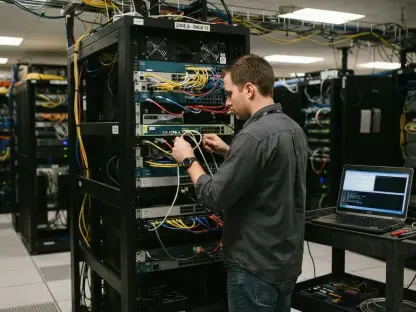
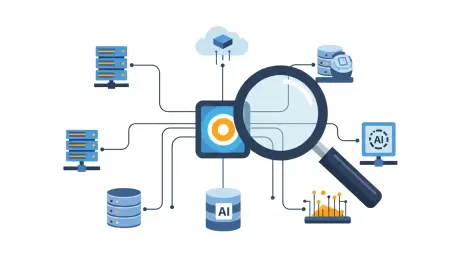
The rapid decentralization of enterprise software has reached a critical juncture where traditional monitoring frameworks are failing to provide the clarity required for modern operations. The shift from basic status checks toward sophisticated "operations hubs" reflects a fundamental change in how

The growing complexity of mobile ecosystems often forces users to navigate a delicate balance between convenience and genuine digital sovereignty when selecting security software for their personal devices. For many years, the primary method for installing applications on the Android platform

The modern digital landscape is witnessing a profound shift where the boundary between a genuine biological user and a highly autonomous artificial intelligence agent is increasingly blurred by sophisticated technological mimicry. For decades, the cornerstone of enterprise security was built upon
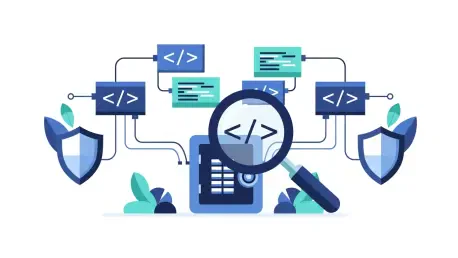
The widespread adoption of generative intelligence within engineering teams has transformed the traditional software development lifecycle into a high-speed assembly line of synthetic code. While these advancements promise unprecedented delivery speeds, they also introduce a layer of complexity

The silent infiltration of unsanctioned artificial intelligence tools into corporate infrastructures has reached a critical threshold where the speed of adoption significantly outpaces institutional oversight. This phenomenon, known as shadow AI, emerges when employees bypass official IT channels

The persistent disconnect between pristine IT dashboards showing full service availability and the growing frustration of employees struggling with disjointed collaboration tools has forced a radical rethink of digital success metrics. For years, technology departments have relied on simple uptime