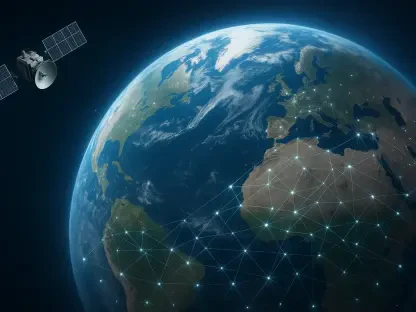
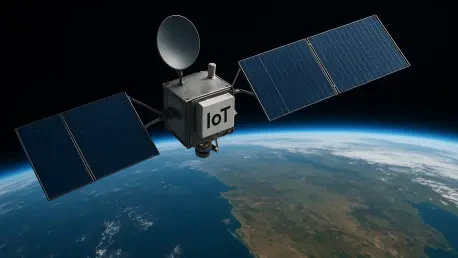
The democratization of satellite data is transforming how industries track high-volume assets that spend only a portion of their lifecycle within cellular range. This shift marks a departure from the days when satellite connectivity was a niche luxury reserved only for mission-critical military

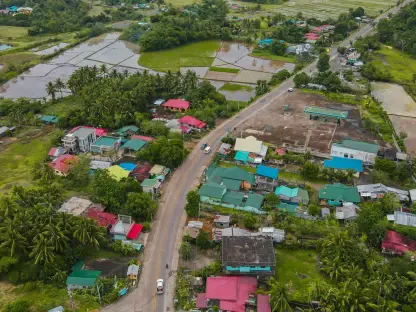
Mobile data consumption in Malaysia has surged from 19 gigabytes per user during the pandemic to approximately 40 gigabytes today, necessitating a massive infrastructure upgrade. This exponential growth reflects a fundamental shift in how digital services are integrated into the daily lives of

Proximity-based file-sharing services create a massive attack surface because they allow devices to discover and connect to one another without any prior pairing or manual user intervention. This inherent openness, while driving the seamless user experience modern consumers expect in 2026,
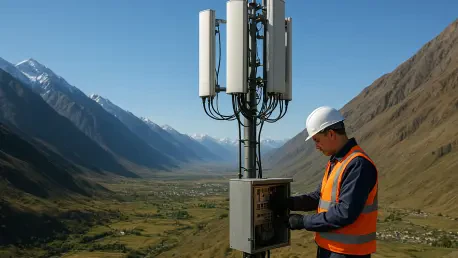
Tcell has demonstrated significant operational speed by modernizing 790 base stations across several regional provinces within the first six months of 2026. This aggressive expansion marks a turning point for Tajikistan, as the nation moves beyond basic connectivity toward a sophisticated and

Modern businesses are increasingly adopting Multi-Network M2M SIMs to ensure that payment terminals and sensors stay online by automatically switching between mobile carriers. This shift represents a broader transformation where connectivity is no longer viewed as a background utility like
Industry leaders are focusing on scalability and cybersecurity to ensure that modern aircraft function as seamless extensions of the global digital network. The aviation industry is navigating a period of profound digital transformation centered on the evolution of Inflight Entertainment and