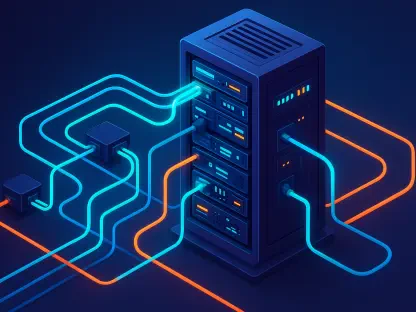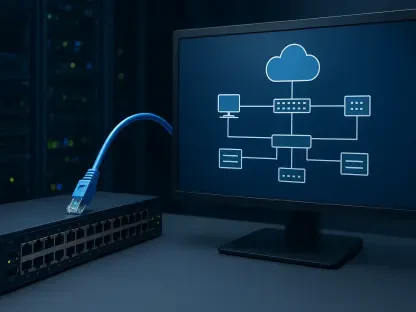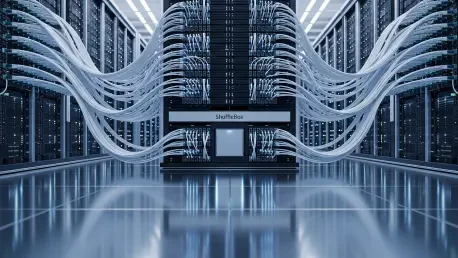
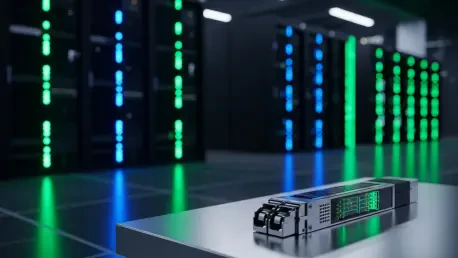
The relentless surge in demand for massive generative models has pushed existing data center connectivity to its physical and economic limits, forcing a paradigm shift in how high-speed data transmission is handled. While traditional copper-based interconnects served the industry well for decades,
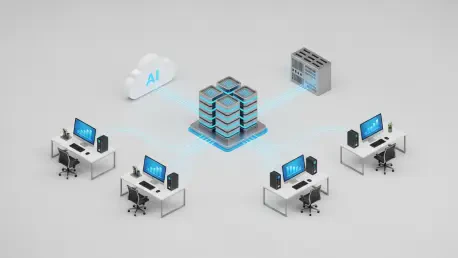
The conversation surrounding artificial intelligence has shifted dramatically from mere fascination with creative text generators toward a focus on autonomous systems capable of executing complex logic. In 2026, the global technology landscape is no longer satisfied with experimental pilots that
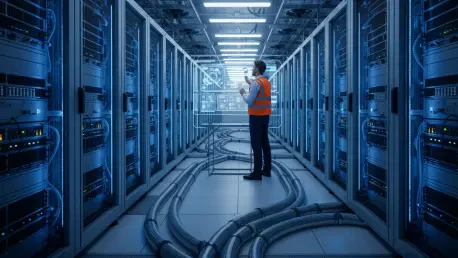
The towering smokestacks of decommissioned coal plants in Western New York, once symbols of the carbon-heavy industrial era, have become the unlikely foundations for a new breed of technological titan known as the AI neocloud. This metamorphosis is not merely a cosmetic rebranding of real estate
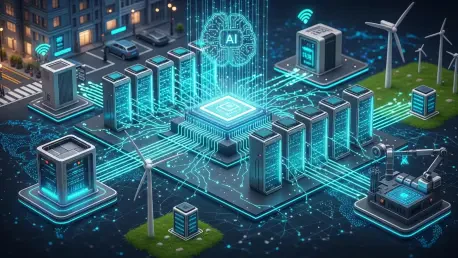
The rapid expansion of generative AI models has fundamentally altered the traditional topology of global data centers by shifting massive computational workloads from centralized cloud facilities directly to the network edge. This transition is not merely a matter of convenience but a critical
The digital ecosystem of 2026 demands a sophisticated approach to data management where the limitations of legacy storage systems have become increasingly apparent. In earlier eras, many organizations relied heavily on Direct-Attached Storage (DAS), where drives were physically housed within or

The digital perimeter has not merely shifted or softened over the last decade; it has fundamentally evaporated into a complex web of decentralized access points that no single firewall can adequately protect anymore. This collapse of the traditional network boundary has forced a radical rethinking