While many cybersecurity experts focus on software-based remote exploits targeting web servers or cloud databases, a fundamental architectural flaw has been discovered in the physical hardware that connects millions of industrial machines to the global network. This vulnerability, uncovered through
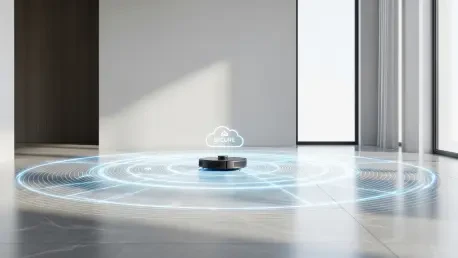
Imagine the unsettling reality of a sophisticated household cleaning device silently mapping the inner layout of a private residence while unknowingly transmitting that sensitive data to an unsecured cloud environment accessible by unauthorized actors. This scenario transitioned from a theoretical
The typical modern household upgrades its mobile handsets and laptop computers with remarkable frequency, yet the foundational networking infrastructure often remains buried in a closet for a decade until it fails. This "set-it-and-forget-it" mentality has created a significant technological gap
The digital landscape of 2026 has evolved into a sprawling ecosystem where billions of connected devices generate an incessant stream of telemetry data that defies traditional human oversight. As enterprises continue to migrate their core functions to hyper-converged cloud environments and
Navigating the frustration of a dropped call while inside a modern office building or a basement apartment often highlights the persistent limitations of cellular infrastructure despite recent technological advancements. While cellular networks have expanded significantly from 2026 to 2028,

The rapid decentralization of modern corporate infrastructure has reached a critical tipping point where traditional network perimeters are effectively obsolete in the face of cloud-native agility. As organizations transition their mission-critical applications and data repositories into various