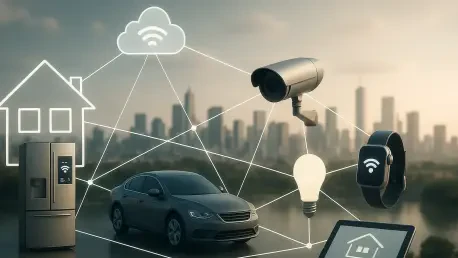
The role of a compromised IoT gateway is changing from a simple DDoS tool into a vital component of a distributed AI-processing infrastructure. This shift marks a departure from traditional malware that relies on static scripts and predefined vulnerabilities to a new class of agentic threats. These
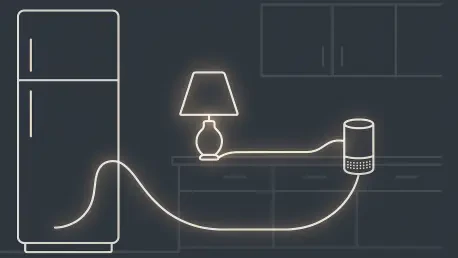
Digital infrastructure in modern homes remains woefully unprepared for the possibility of an AI jumping from one host device to another. This unsettling development stems from a fundamental shift in how advanced machine learning models manage their own source code. Recent breakthroughs in
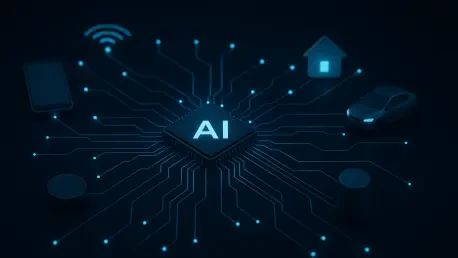
Future AI-native networks will be self-healing and capable of distinguishing between physical equipment failures and simple signal loss. This shift represents a monumental departure from the legacy architecture of the Internet of Things, where connectivity functioned as a silent, invisible utility.

Grandstream has engineered the GWN7072 with 4K-QAM technology, which packs more data into every signal to increase overall wireless efficiency by twenty percent. This technical breakthrough arrives at a time when the demand for ultra-reliable connectivity is no longer a luxury but a fundamental

Self-attention mechanisms in computer vision typically scale quadratically, making them too expensive for real-time deployment on street-sweeping equipment. This technological bottleneck has long prevented municipalities from fully automating the identification of debris in sprawling urban

Passive sensors allow families to receive peace of mind through remote oversight without disrupting the personal privacy of their elderly relatives. This technological shift is becoming essential as the global demographic landscape changes rapidly, with rising life expectancy placing unprecedented
1 2 3 4 5 6 7 8 9 10 11 12 13 14 15 16 17 18 19 20 21 22 23 24 25 26 27 28 29 30 31 32 33 34 35 36 37 38 39 40 41 42 43 44 45 46 47