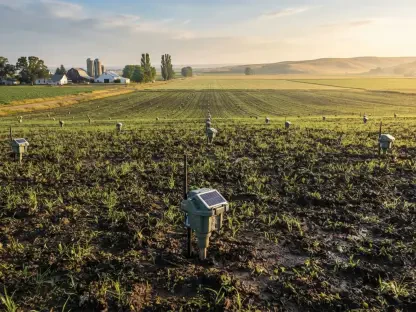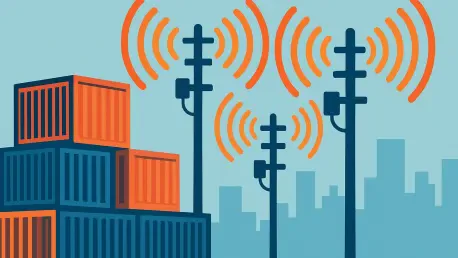

Infrastructure growth is currently outstripping immediate device deployment, indicating a period of ecosystem readiness before the next major wave of adoption. This divergence highlights a massive build-out in digital foundations that far exceeds the current pace of physical hardware activation

To ensure successful email delivery to millions of Gmail users, specific Google TXT records and PTR records for reverse DNS lookup must be integrated into a brand's subdomain settings. This fundamental requirement highlights a broader reality in 2026: the absolute necessity of technical precision

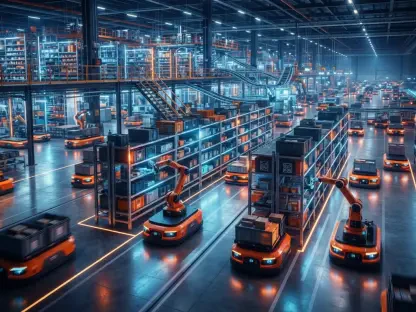
The current 'networking supercycle' is being fueled by the realization that the promise of autonomous systems cannot be realized without stable, high-uptime connections. This recognition signifies a profound shift in corporate strategy, as the Internet of Things (IoT) matures from a series of
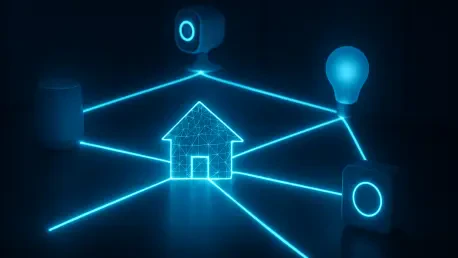
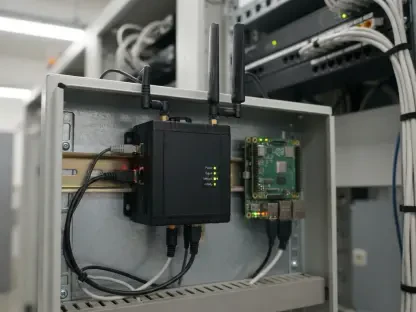
The role of a compromised IoT gateway is changing from a simple DDoS tool into a vital component of a distributed AI-processing infrastructure. This shift marks a departure from traditional malware that relies on static scripts and predefined vulnerabilities to a new class of agentic threats. These
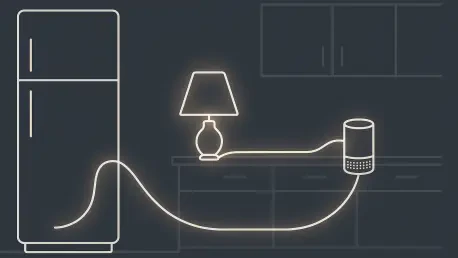
Digital infrastructure in modern homes remains woefully unprepared for the possibility of an AI jumping from one host device to another. This unsettling development stems from a fundamental shift in how advanced machine learning models manage their own source code. Recent breakthroughs in
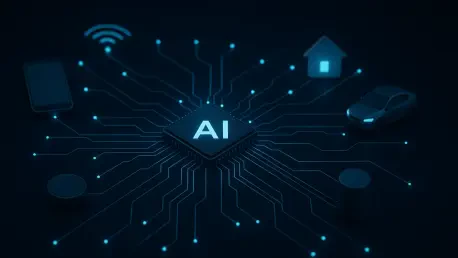
Future AI-native networks will be self-healing and capable of distinguishing between physical equipment failures and simple signal loss. This shift represents a monumental departure from the legacy architecture of the Internet of Things, where connectivity functioned as a silent, invisible utility.