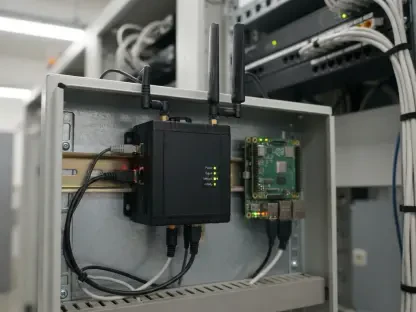

Modern enterprise success is no longer determined solely by the efficiency of a centralized data center but by how effectively intelligence is projected into the harshest, most remote environments on the planet. This shift marks the definitive transition from centralized cloud models toward a

Traditional network management has long been a game of digital "whack-a-mole," where IT professionals spend more time chasing alerts than building innovation. The Autonomous Networking Systems represent a significant advancement in the information technology and enterprise infrastructure sectors.

The distinction between a digital glitch and a physical catastrophe has effectively evaporated as modern society grapples with the fallout of an increasingly weaponized internet. While the early days of industrial automation promised a future of effortless efficiency, the reality of 2026 presents a

The traditional boundaries of terrestrial telecommunications are rapidly dissolving as the global push for sixth-generation (6G) networks accelerates toward its 2030 commercialization target. By integrating artificial intelligence directly into the fabric of communication protocols, engineers are

The global industrial sector has successfully navigated the initial hurdle of deploying millions of interconnected sensors, but the subsequent challenge of converting that massive telemetry stream into immediate, value-driving action continues to stifle organizational progress. While the hardware
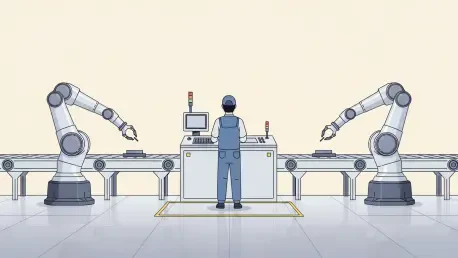
The rapid evolution of high-mix assembly lines has fundamentally altered the floor dynamics of modern manufacturing plants, placing human workers and sophisticated robotic systems in unprecedented proximity. While the integration of artificial intelligence into these environments promised a new era