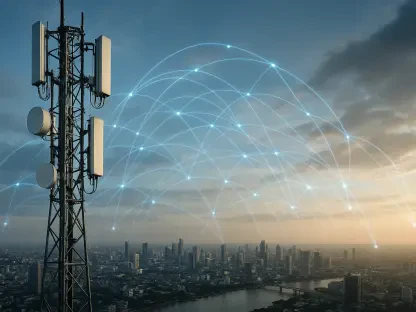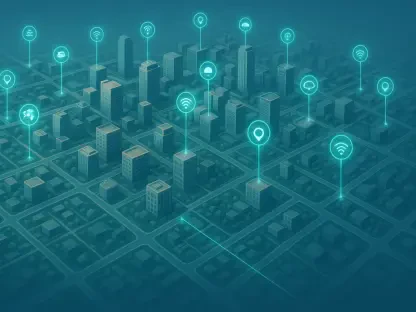

Systemic integration is becoming a necessity as the sheer volume of 21.1 billion current devices makes manual management of IoT increasingly impractical. This transition from visible gadgets—the smart bulbs and hubs requiring constant phone-based nudges—to an invisible infrastructure marks a
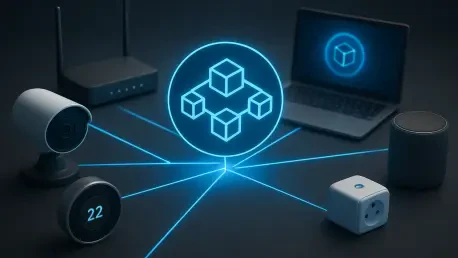
Connected vehicles use blockchain to create trusted maintenance logs and usage-based insurance models that remain with the car throughout its entire lifecycle. This development signals a broader transformation in the Internet of Things (IoT), where the focus has shifted from mere connectivity to

Evidence suggests that the lack of security maintenance for smart devices has created a permanent infrastructure for hackers to move laterally across sensitive home networks. This realization comes in the wake of a massive, globally coordinated operation involving the Federal Bureau of

Discrepancies in performance tracking often occur when drilling contractors and operators view identical operations through different software interfaces, leading to conflicting interpretations of operational efficiency. To address these long-standing challenges, the strategic integration of Nabors

The core failure of traditional network access control lies in its inability to adjust permissions dynamically once a user has successfully passed the initial login phase. In the current digital landscape, the traditional concept of a secure perimeter has largely vanished, replaced by an

Software-defined vehicles represent a departure from traditional mechanical engineering, requiring manufacturers to manage a continuous flow of data across cellular networks. The transition from a static piece of hardware to a dynamic digital node has fundamentally altered how automotive giants