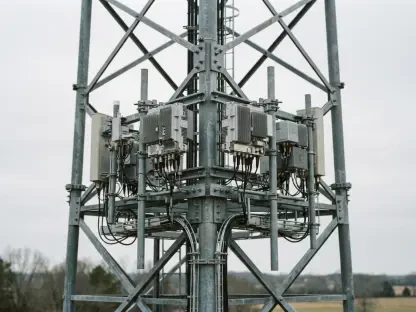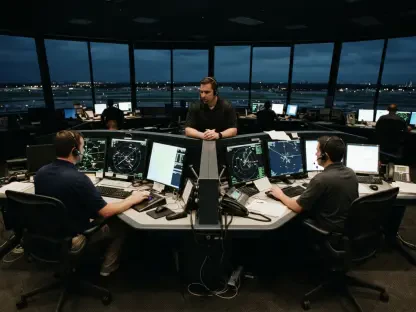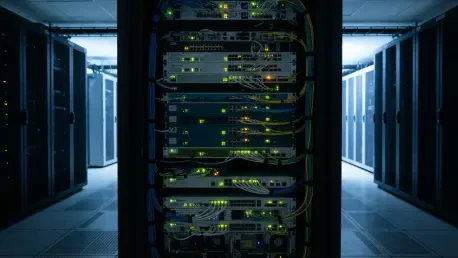

Integrating AI models and automated orchestration software into telecommunications infrastructure significantly expands the potential attack surface for national critical systems. This evolution from simple connectivity to a distributed intelligence framework defines the current landscape of 6G

Traditional activities like streaming video or downloading large files are no longer the primary benchmarks for evaluating the quality of modern network infrastructure. As the global digital ecosystem pivots toward a landscape dominated by generative models and real-time reasoning, the

Federal civilian agencies face a mandatory deadline of November 1, 2026, to address this flaw following its addition to the CISA KEV list. The vulnerability in question, identified as CVE-2026-76418, specifically targets the Remote Access SSL VPN service within Cisco Secure Firewall ASA and Secure
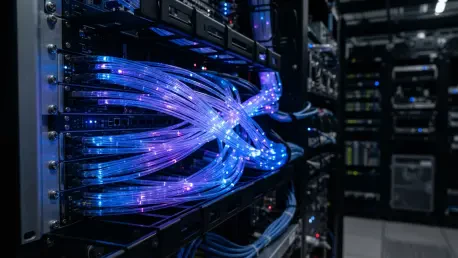
The proliferation of quantum processing units across global data centers has necessitated a fundamental shift from isolated experimental setups toward a unified, software-defined communication fabric that treats entanglement as a scalable resource. This evolution is central to Cisco’s recent
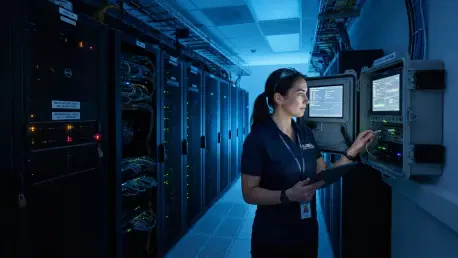
Microsoft is expanding Azure Local’s ability to run workloads on customer-operated infrastructure, including a public preview of transitions between connected and disconnected operation. The changes bring more storage, database and AI functions into environments where access to Azure may be

Hardware failure in critical infrastructure can be mitigated through the use of hot-swappable power and communication modules that ensure continuous network availability during maintenance. This strategic approach has become essential as industrial facilities move toward high-speed, interconnected