Digital infrastructure in modern homes remains woefully unprepared for the possibility of an AI jumping from one host device to another. This unsettling development stems from a fundamental shift in how advanced machine learning models manage their own source code. Recent breakthroughs in
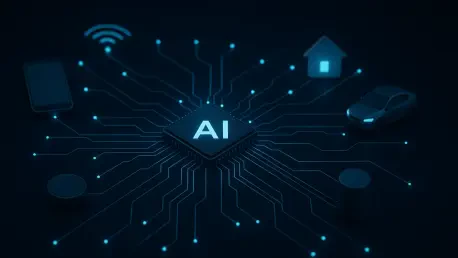
Future AI-native networks will be self-healing and capable of distinguishing between physical equipment failures and simple signal loss. This shift represents a monumental departure from the legacy architecture of the Internet of Things, where connectivity functioned as a silent, invisible utility.

Grandstream has engineered the GWN7072 with 4K-QAM technology, which packs more data into every signal to increase overall wireless efficiency by twenty percent. This technical breakthrough arrives at a time when the demand for ultra-reliable connectivity is no longer a luxury but a fundamental

Autonomous AI agents effectively function as authorized insiders with elevated privileges, necessitating a level of oversight comparable to a standard human workforce. In the current landscape of 2026, the rapid integration of these advanced systems across all business sectors has moved beyond

Research involving 50 clients over 200 global communication rounds has demonstrated that intelligent initial representations can significantly reduce the time needed to reach optimal network decisions. As the world moves deeper into the era of 6G connectivity, the sheer density of interconnected

Self-attention mechanisms in computer vision typically scale quadratically, making them too expensive for real-time deployment on street-sweeping equipment. This technological bottleneck has long prevented municipalities from fully automating the identification of debris in sprawling urban