
A security operations center that once buzzed with human debate now hums with the silent, lightning-fast transactions of a hundred thousand autonomous digital workers. This transition marks a profound departure from the early days of generative technology, where human oversight was the primary

The relentless pursuit of computational efficiency has reached a point where the speed of light itself is becoming a frustrating barrier to the real-time processing required for modern artificial intelligence systems. In the high-stakes race for AI supremacy, the greatest hurdle is no longer just

The silent hum of global data centers has transformed into a thunderous roar as autonomous software agents now generate digital traffic at a pace that dwarfs human interaction by nearly five times. This shift represents a departure from the internet of the early 2020s, where network consumption was

By dismissing a formal request for a construction pause, Virginia has signaled its intent to remain the world's most influential corridor for data centers and artificial intelligence infrastructure. This decision follows months of intense debate within the General Assembly, where lawmakers weighed
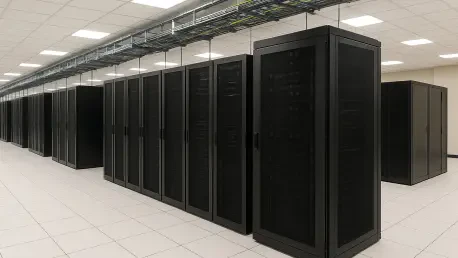
The introduction of regional mapping would allow Alabama to identify specific locations where existing infrastructure can support data centers without requiring expensive, taxpayer-funded upgrades to the power grid. As the massive expansion of artificial intelligence and cloud computing

A senior executive from a prominent Fortune 500 organization recently discovered that the digital keys to his entire corporate security infrastructure were floating in unencrypted plain text across a public Wi-Fi network. This alarming event occurred at a major cybersecurity gathering, where the