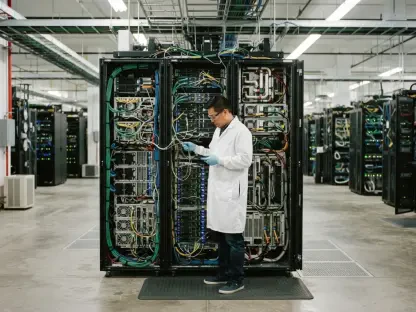

While traditional systems view device variability as a manufacturing defect, the new co-design methodology treats this randomness as a valuable computational tool. The field of artificial intelligence is currently undergoing a massive transition as processing power shifts from massive, remote data

By 2035, the standard for business protection will be defined by intelligent, distributed defenses that safeguard data in an increasingly volatile and decentralized digital landscape. This transformation marks a significant departure from the era when securing a company meant merely reinforcing a

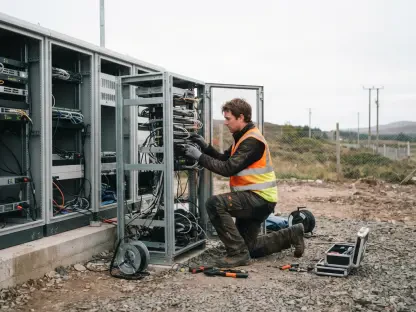
While early mobile edge computing initiatives in the 2010s lacked a clear market driver, the modern rise of AI inferencing has introduced a definitive demand-side catalyst for localized compute. In previous years, the promise of low-latency applications like remote surgery often felt like solutions

Enterprises are now navigating a transition toward an Autonomous SOC model that utilizes Agentic AI to detect and neutralize threats at machine speed. As artificial intelligence moves from a theoretical tool to a core business driver, the digital landscape is undergoing a radical transformation

The 2026 wireless landscape has shifted from basic encrypted tunnels to serving as the critical first mile of a comprehensive Zero Trust architecture. This transformation reflects a modern reality where the traditional network perimeter has effectively dissolved, necessitating a convergence of

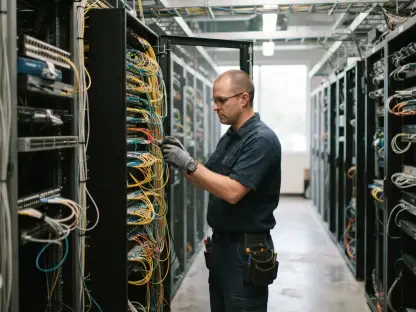
Strategic reallocation of existing IT budgets suggests that AI infrastructure is becoming the primary driver of hardware refreshment cycles across the globe. As organizations realize that the "one-size-fits-all" public cloud approach has limitations, a strategic shift is occurring. Cisco Systems