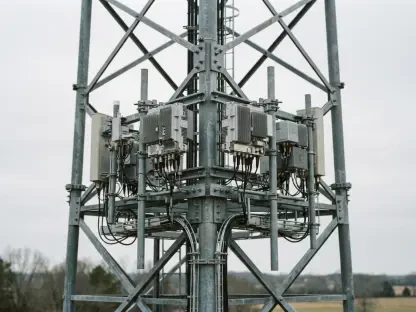

The sudden, violent shifting of the earth near San Jose del Palmar on August 10 sent shockwaves through Colombia that fundamentally tested the resilience of its telecommunications infrastructure. While the 7.4 magnitude earthquake caused immediate structural damage to buildings in Bogota and Cali,

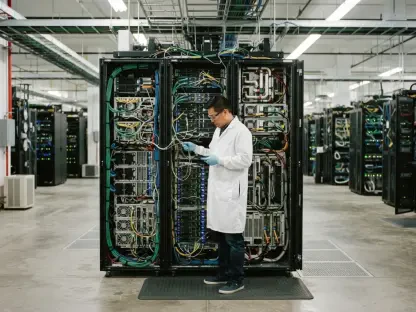
Organizations across the globe are currently witnessing a period where the sheer speed of algorithmic advancement has far outpaced the physical capacity of the data centers that house them. This imbalance represents more than a mere scheduling delay; it marks a fundamental misalignment between the
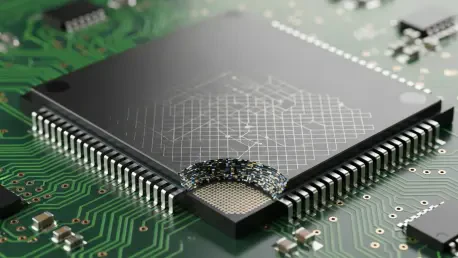
The reliance on massive, energy-hungry data centers is reaching a critical tipping point as the industry pivots toward a decentralized framework where intelligence resides directly on the user’s device. While the previous era of artificial intelligence was defined by gargantuan parameter counts and

The landscape of residential networking has long been defined by isolated silos where hardware manufacturers dictate the user experience through proprietary applications that rarely communicate with one another. Even as the smart home market moves toward greater interoperability with the widespread

The transition from static AI models to autonomous agents is redefining the fundamental requirements of global computing infrastructure as processing demands hit unprecedented heights across every sector. Unlike previous years where large language models primarily responded to single, isolated

Modern business environments have reached a critical tipping point where the traditional reliance on privately owned data centers is rapidly giving way to external expertise. This movement reflects a broader strategy to shed the capital-intensive burden of hardware maintenance in favor of the