
The traditional model of managed services, once defined by the quiet reliability of background maintenance and reactive troubleshooting, has officially collapsed under the weight of hyper-automated digital ecosystems. Service providers can no longer afford to operate as silent ghosts in the
The massive influx of high-resolution sensors and interconnected devices within modern commercial skyscrapers has pushed traditional cloud-centric architectures to their breaking point, necessitating a fundamental shift toward localized intelligence. For several years, the paradigm of smart
The rapid proliferation of industrial internet-of-things devices has created a landscape where the sheer volume of incoming sensor data often exceeds the processing capabilities of traditional cloud infrastructures, leaving valuable operational insights buried under a mountain of digital noise. As
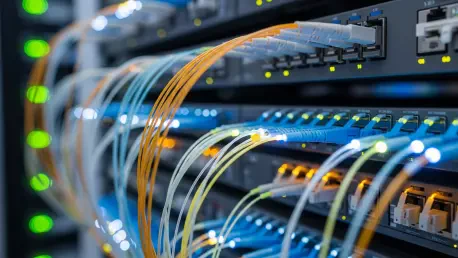
The transition from static AI models to autonomous agents is redefining the fundamental requirements of global computing infrastructure as processing demands hit unprecedented heights across every sector. Unlike previous years where large language models primarily responded to single, isolated

The physical infrastructure of the internet is undergoing a quiet but massive shift as tech giants move from leasing bandwidth to owning the raw glass that carries light. Google's recent decision to commit $1 billion to Verizon's dark fiber network represents more than a simple service upgrade; it
Modern business environments have reached a critical tipping point where the traditional reliance on privately owned data centers is rapidly giving way to external expertise. This movement reflects a broader strategy to shed the capital-intensive burden of hardware maintenance in favor of the