
Modern enterprise infrastructures have become so fragmented across diverse cloud environments and physical data centers that identifying the source of a performance bottleneck often requires navigating dozens of disconnected dashboards and telemetry streams. This persistent lack of visibility has

The fundamental transition from rigid copper and hardware-dependent circuits to a fluid, software-governed digital fabric has effectively redefined how modern enterprises manage and move their most valuable asset. This evolution is most apparent in the emergence of AI-ready networking
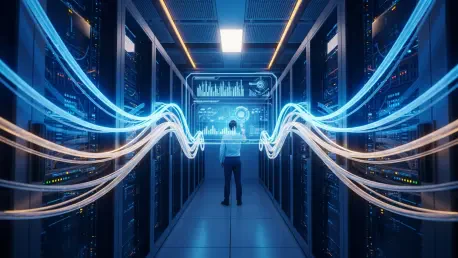
The rapid integration of large language models and predictive analytics into the core of corporate operations has transformed network architecture from a background utility into the primary engine of modern enterprise growth. Organizations are no longer just experimenting with isolated pilots; they
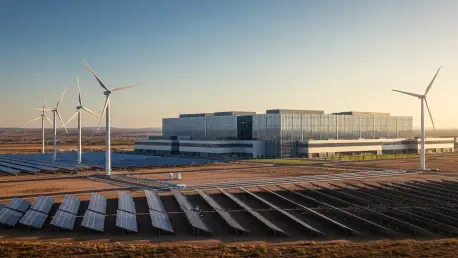
The vast, sun-drenched expanses of the American Southwest have transitioned from a wide-open frontier for technological expansion into a complex battleground where the demands of artificial intelligence clash with the finite reality of natural resources. For several years, states like Texas,
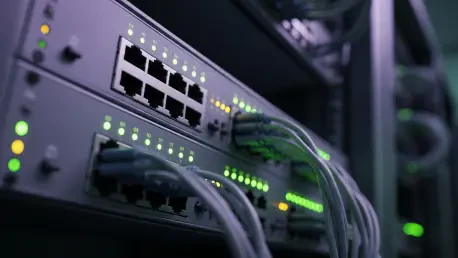
Organizations across the globe are currently allocating trillions of dollars toward sophisticated generative models and autonomous agents, yet the success of these initiatives remains precariously tethered to antiquated networking architectures that were never built for such non-linear data flows.

The rapid acceleration of generative artificial intelligence has fundamentally altered the physical landscape of the global technology sector by demanding a massive expansion of high-density data centers. While the conversation around the environmental footprint of these facilities typically