
The sheer velocity of data surging through modern artificial intelligence clusters has effectively rendered yesterday’s top-tier networking standards obsolete before the ink on their specifications could even dry. As generative AI and large language models continue to scale, the underlying

The digital foundation of nearly every major European enterprise currently rests upon a shifting software layer that is transforming from a collaborative ecosystem into a high-stakes arena of corporate control. This structural upheaval is not merely a technical concern; it is a fundamental test of
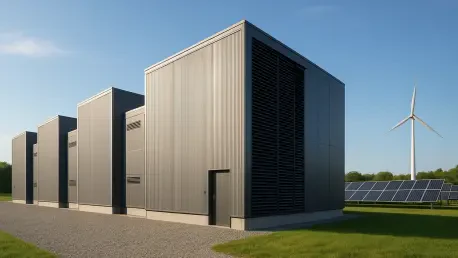
The sprawling complexes that serve as the backbone of our digital existence have transitioned from being ignored utility buildings to some of the most scrutinized pieces of real estate in the modern world. For decades, the data center industry operated within a realm of "invisible infrastructure,"

Silicon dominance in the artificial intelligence sector is no longer just about the raw power of the compute die but how efficiently that die communicates with its high-speed memory modules. Nvidia’s NVHBM marks a transition from standard components to a proprietary, custom-designed architecture.

The transition from localized, single-node computing to sprawling multi-rack domains is no longer a luxury but a fundamental necessity for organizations aiming to train the next generation of massive language models. As of 2026, the artificial intelligence landscape has moved beyond the constraints

Enterprises in highly regulated industries remain hesitant to scale AI projects until they can guarantee the total recoverability and integrity of their data models. The shift from centralized supercomputing to a distributed, global intelligence network has fundamentally rewritten the rules of