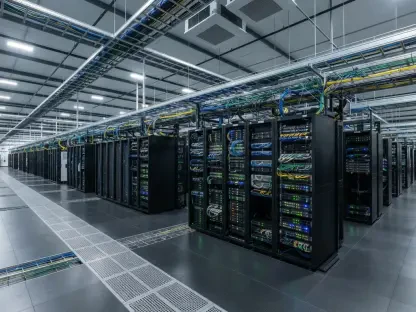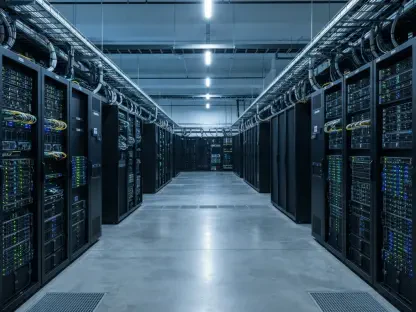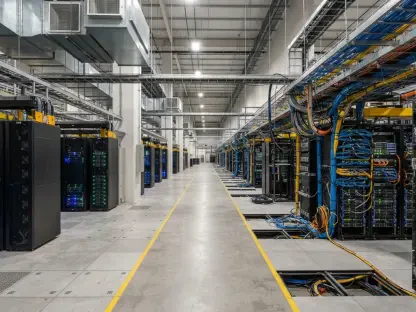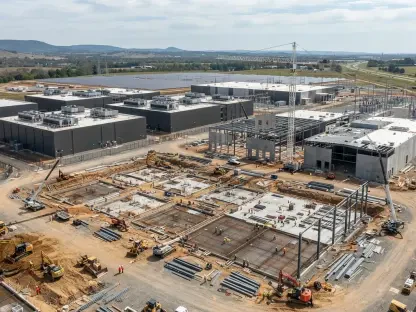
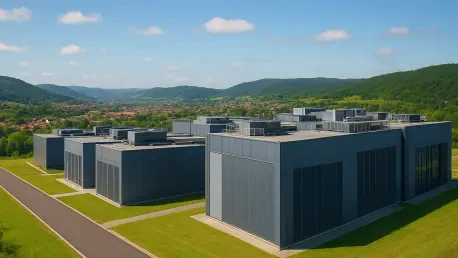
Effective zoning regulations must ensure that massive data hubs are located in industrial areas with generous setbacks to protect the peace of residential neighborhoods. As the digital economy accelerates through 2026, the transformation of former industrial sites into massive technological hubs

The rapid proliferation of distributed systems and the sudden surge in AI-driven workloads have made traditional manual network record-keeping a significant risk for the modern enterprise. As companies navigate the complexities of 2026, the demand for a more sophisticated way to manage

Scaling AI infrastructure vertically involves adding more powerful components to a central rack, whereas scaling at the edge requires the horizontal addition of many individual physical units. This fundamental architectural divide defines the strategic landscape for enterprises as they move beyond
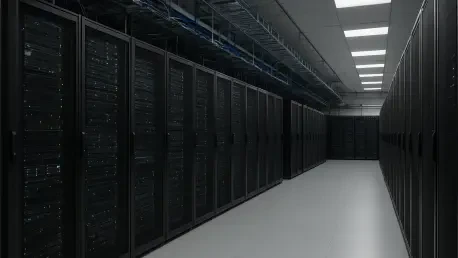
The relentless acceleration of generative models has forced a fundamental decoupling of data center design from traditional enterprise server standards to accommodate the specialized needs of autonomous agents and massive scale inference. This transformation marks a departure from the

Each GPU in the Flattened Planar Fabric connects via eight independent 100G links to distinct planes, ensuring that a single switch failure does not halt a training job. This robust design is a cornerstone of the infrastructure innovations presented at the 2026 Open Compute Project Global Summit,
The rapid expansion of Artificial Intelligence has triggered a fundamental shift in market focus from software developers and chipmakers to the physical infrastructure required to sustain massive digital loads. As the industry matures in 2026, the era of purely speculative software valuation has